Comedy Tours
Laughter Awaits: Secure Your Spot!
This site contains affiliate links. If you purchase tickets through these links, we may earn a commission at no additional cost to you.
Laughter Awaits: Secure Your Spot!
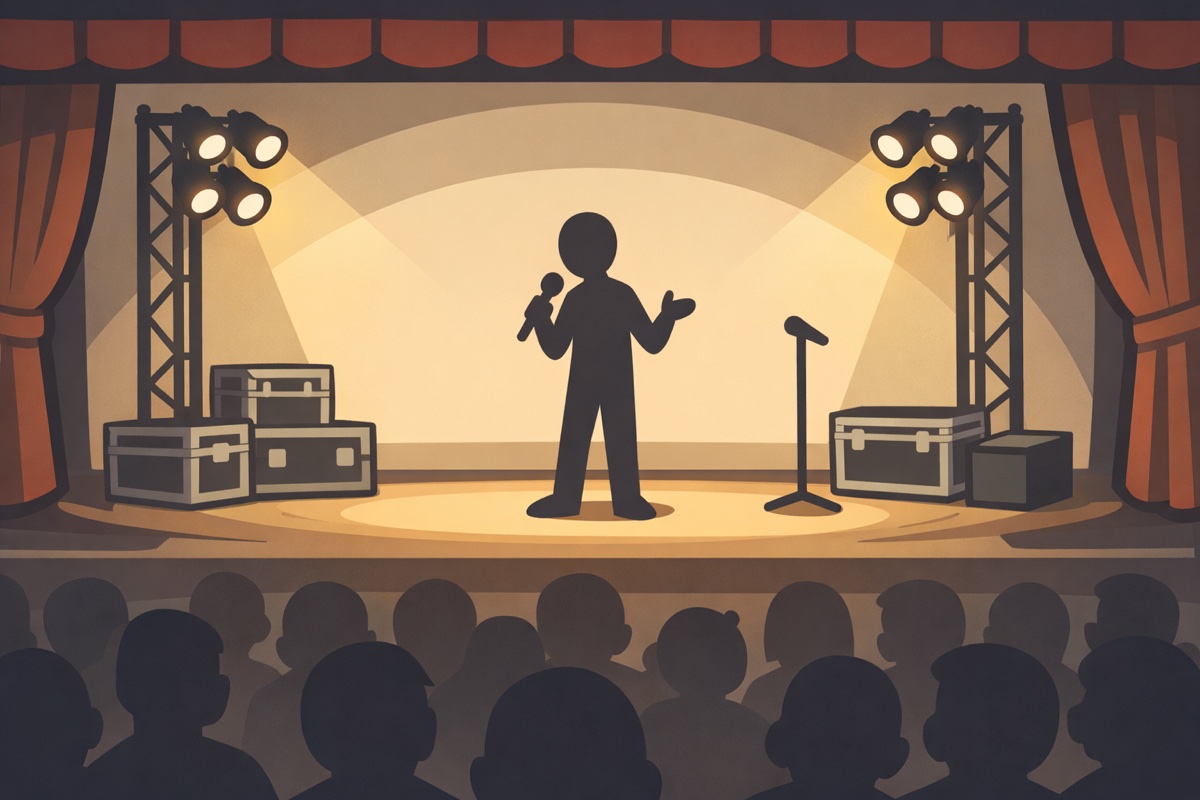
Comedy tours in 2026 represent the intersection of stand-up craft and large-scale entertainment. When a comedian takes a set on the road -- playing theaters, performing arts centers, and arenas across dozens of cities -- the show transforms into something bigger than a club date. Production values go up, the material is tighter (usually a polished hour that's been refined over months of club work), and the audience energy multiplies with thousands of people laughing in sync. This year's touring landscape features a deep roster of headliners and a wave of mid-level comics stepping up to theater-sized rooms for the first time.
Radio City Music Hall, New York City. At 1260 Sixth Avenue in Midtown Manhattan, Radio City is one of the most iconic performance venues on the planet. Its Art Deco interior seats nearly 6,000, and the sight lines from the orchestra and mezzanine levels are famously excellent. Comedy specials filmed here carry a particular weight -- the room's grandeur elevates the performance. The venue sits directly above the Rockefeller Center subway complex, accessible via the B, D, F, M trains at 47-50th Streets-Rockefeller Center. If you drive, multiple parking garages surround Rockefeller Center on 48th and 49th Streets, but expect to pay $40-$60 for event-night parking. Walking from Times Square takes about ten minutes.
The Chicago Theatre, Chicago. This 3,600-seat Beaux-Arts landmark at 175 North State Street in the Loop is a favorite tour stop for headlining comics. The vertical marquee sign out front is one of the most photographed landmarks in the city. Sound quality inside is exceptional for a venue this size, and even the upper balcony delivers a surprisingly intimate feel thanks to the theater's steep rake. Parking in the Loop is plentiful but not cheap -- the InterPark garage on Randolph and Wabash is a block away, and rates run $25-$45 depending on the night. The closest CTA station is Lake on the Red Line, roughly a three-block walk south.
DAR Constitution Hall, Washington, D.C. Located at 1776 D Street NW, just steps from the National Mall, Constitution Hall seats about 3,700 in a wide, sweeping auditorium. It's been a staple of the D.C. comedy and concert circuit for decades. The room has a classic feel -- no modern frills, just solid acoustics and clear sight lines from nearly every seat. Parking is available in several garages along 18th and 19th Streets NW, with rates typically running $20-$35 for evening events. The closest Metro station is Farragut West on the Blue and Orange Lines, about a six-minute walk.
The biggest difference between an arena comedy tour and a theater tour comes down to scale and feel. Arena shows (10,000-20,000 seats) feature large video screens, amplified audio, and a concert-like atmosphere. They work best for comics whose material is visually expressive and doesn't rely heavily on subtle timing. Theater shows (1,500-5,000 seats) keep the performer closer to the audience and tend to favor conversational, story-driven comedy where vocal nuance matters. If you have the choice, theaters generally deliver a better comedy experience, but arena shows have their own electric energy that's hard to replicate.
At a venue like The Chicago Theatre or Radio City, the orchestra center in rows 5-20 is the prime zone. You're close enough to see the comedian's expressions without needing the screens, and the sound mix is dialed in for those seats. Front-row theater seats can be spectacular, but at some venues they require you to look up at a steep angle, which gets uncomfortable over 90 minutes. Mezzanine front rows are often an underrated pick -- they offer an elevated, head-on view of the stage at a lower price point than orchestra center. At arena shows, floor seats within the first 15 rows are worth the premium; beyond that, lower-bowl side sections tend to have better sight lines than floor seats in the rear.
Touring shows at major venues in large cities mean navigating event-night traffic. At Radio City, skip the car entirely and take the subway or get dropped off on Sixth Avenue. At The Chicago Theatre, parking garages in the Loop are abundant but charge premium rates on show nights -- consider taking the CTA and walking. At DAR Constitution Hall, the surrounding streets have limited meter parking that ends at 6:30 PM, but garages on nearby blocks are a safer bet. Whatever the venue, arrive 30-45 minutes early to handle parking, find your seats, and grab drinks before the lights go down.
Theater tour tickets generally range from $45 to $150 for standard seating, with front orchestra and VIP packages pushing to $200-$400. Arena shows by top-tier headliners can run $75-$300 for standard seats and $400+ for floor or VIP. Resale prices on StubHub often spike when a tour is first announced, then gradually settle as more inventory enters the market. The 10-to-14-day window before the show is frequently where resale prices reach their most reasonable levels. For high-demand stops (New York, LA, Chicago), buying early may be necessary to guarantee a seat at all.
Usually not. Most comics retire material after filming a special and tour with entirely new content. Occasionally a tour coincides with special filming, in which case you might see some overlap. Check the tour's promotional materials -- they often specify whether the set is new or tied to a recent release.
Many touring comics bring a support act who performs a 15-20 minute set before the headliner. Some tours feature a host or MC as well. The headliner's set typically runs 60-90 minutes. Check the event listing for specific details on the lineup.
VIP packages vary by tour but typically include premium seating (first few rows or center orchestra), early venue entry, a meet-and-greet or photo opportunity with the comedian, and sometimes exclusive merchandise. Standard tickets get you a seat and the show itself. Whether VIP is worth the extra cost depends on how much the extras matter to you.
When the first show in a market sells out quickly, promoters often add a second date. Follow the comedian's social media and sign up for venue email lists to be notified. Added shows sometimes go on sale with less fanfare, which can mean easier access to good seats.