Stand-Up Comedy
Laugh Out Loud in 2026
This site contains affiliate links. If you purchase tickets through these links, we may earn a commission at no additional cost to you.
Laugh Out Loud in 2026
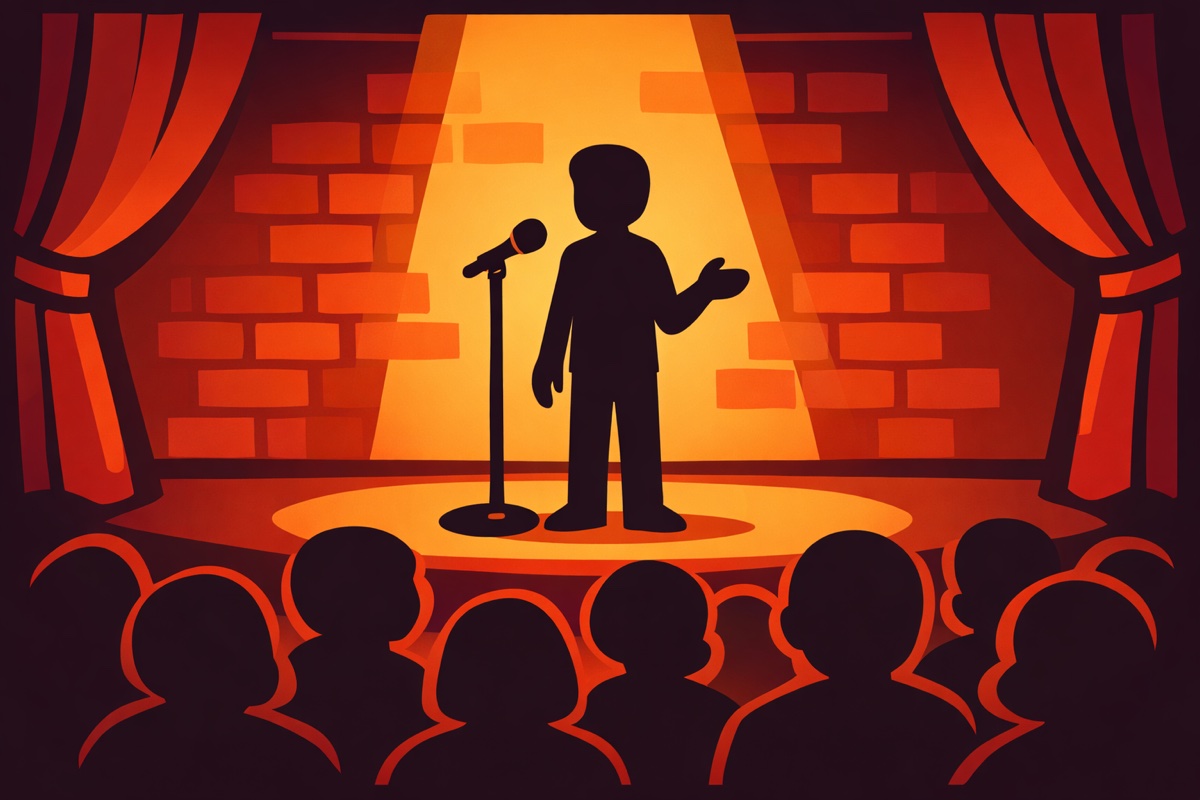
Stand-up comedy is built on a simple formula: one person, one microphone, and an audience willing to be surprised. In 2026, that formula is producing some of the most exciting live entertainment available anywhere. The touring circuit is stacked with headliners doing extended residencies, mid-level comics selling out 500-seat theaters on word-of-mouth alone, and local scenes in cities like Atlanta, Denver, and Portland generating fresh talent every month. Whether you've been going to comedy clubs for decades or you're buying your first ticket, this is a phenomenal year to be in the audience.
The Comedy Store, Los Angeles. Located at 8433 Sunset Boulevard on the legendary Sunset Strip, The Comedy Store operates three distinct rooms. The Original Room seats about 115 and delivers an intense, close-quarters experience where you can hear every breath the comic takes. The Main Room, with roughly 450 seats, hosts the bigger names and weekend headliners. The Belly Room upstairs is where experimental material gets tested -- it's raw, unpredictable, and often the most memorable room in the building. The venue has a small parking lot that fills early, particularly on Friday and Saturday nights. Overflow parking is available at paid lots on La Cienega Boulevard, about a five-minute walk east. Valet service runs on peak nights but expect a $15-$20 fee plus tip.
Comedy Cellar, New York City. Beneath the sidewalk at 117 MacDougal Street in Greenwich Village, the Comedy Cellar packs roughly 115 seats into a low-ceilinged brick room that has hosted virtually every major name in American comedy. The club runs multiple shows per night, and the late Friday/Saturday sets are famous for unannounced drop-ins from A-list comics working out new material. There is no parking lot -- this is Manhattan. Take the A, C, E, B, D, F, or M train to West 4th Street-Washington Square and walk south on MacDougal. The entrance is stairs-down, marked by a modest awning. Arrive at least 30 minutes before showtime to grab a good table, as seating is first-come within your reservation group.
Zanies Comedy Night Club, Chicago. At 1548 North Wells Street in Old Town, Zanies has been a Chicago staple since 1978. The room holds about 200 and has a classic comedy-club layout with cocktail tables facing a small stage. It's a neighborhood joint with national-caliber lineups -- comics regularly test their touring material here before hitting larger markets. The closest CTA station is Sedgwick on the Brown and Purple Lines, a short walk east. Street parking on Wells is metered and time-limited; the North Avenue parking garage about two blocks south is a more dependable option, especially on weekend evenings.
A typical comedy club show runs 90 minutes to two hours and features an opening act, a middle act (sometimes called the feature), and a headliner. The host or MC warms up the crowd, the feature builds momentum, and the headliner delivers the main event. Most clubs enforce a two-drink minimum per person -- this can be beer, cocktails, soda, water, or coffee depending on the venue. Food menus vary; some clubs offer full dinner service while others stick to appetizers and bar snacks. Phone policies have tightened significantly in recent years. Many headliners now require Yondr pouches, which lock your phone in a neoprene sleeve for the duration of the show. You'll get it unlocked on your way out.
At a club like The Comedy Store or Zanies, the front row is crowd-work territory. Comics who specialize in audience interaction -- think Andrew Schulz or Ali Wong's early club sets -- will talk directly to the front tables. If you enjoy that energy and can take a joke at your expense, sit close. If you'd rather watch without participating, the second through fourth rows still give you an unobstructed view without the spotlight. At the Comedy Cellar, the room is so compact that even the back row feels intimate. For theater shows with reserved seating, center orchestra in rows five through fifteen tends to be the sweet spot -- close enough to read facial expressions but far enough back to take in the full stage.
Stand-up clubs tend to sit in walkable, transit-friendly neighborhoods. In New York, driving to MacDougal Street is almost always a mistake -- subway and rideshare are your friends. In Los Angeles, driving is more common, but the Sunset Strip on a weekend night is congested. Budget 20 extra minutes for parking if you're heading to The Comedy Store, or get dropped off. In Chicago, Zanies is walkable from the Sedgwick Brown Line stop, and Uber/Lyft pickups along Wells Street after shows are straightforward. Wherever you go, check the venue's website for parking recommendations specific to that location -- many clubs have negotiated discounts at nearby garages.
Weeknight shows at local clubs run $15-$30 per person, often with a two-drink minimum on top. Weekend headliner slots at established venues like The Comedy Store, Comedy Cellar, or Zanies typically range from $25-$60. Touring comics playing 1,000+ seat theaters charge $50-$150 depending on the market, the comedian's draw, and seat location. Resale prices on StubHub fluctuate based on demand, but prices generally stabilize around 10-14 days before the show. For sold-out club dates, resale may be your only option, and prices reflect the scarcity.
You become fair game for crowd work. The comic may ask where you're from, what you do for a living, or riff on something you're wearing. It's all in good fun, but if being singled out makes you uncomfortable, sit a few rows back. Most comics read the room and won't push too hard, but front-row seats are inherently interactive.
A drink minimum means you must order a set number of items (usually two) during the show. Non-alcoholic options like soda, juice, coffee, or water count toward the minimum at most venues. The minimum is charged per person and is separate from your ticket price.
Club shows typically run 75-105 minutes, including the opening act, feature, and headliner. Theater shows by touring comics usually run 60-90 minutes with no opening act, though some touring packages include a support act. Check the event listing for specific runtime information.
Most clubs accommodate groups, but parties of six or more should call ahead to reserve a table block. Some venues offer group packages with discounted per-person pricing. Arriving together makes seating easier, as clubs typically seat your group at adjacent tables.
Drop-in sets happen most frequently at clubs in New York (especially the Comedy Cellar) and Los Angeles (The Comedy Store, The Laugh Factory). There's no way to guarantee a surprise appearance, but late-night weekend shows have the highest odds. Follow the club's social media for occasional hints.