Club Nights
Dive Into the Pulse of Nightlife
This site contains affiliate links. If you purchase tickets through these links, we may earn a commission at no additional cost to you.
Dive Into the Pulse of Nightlife
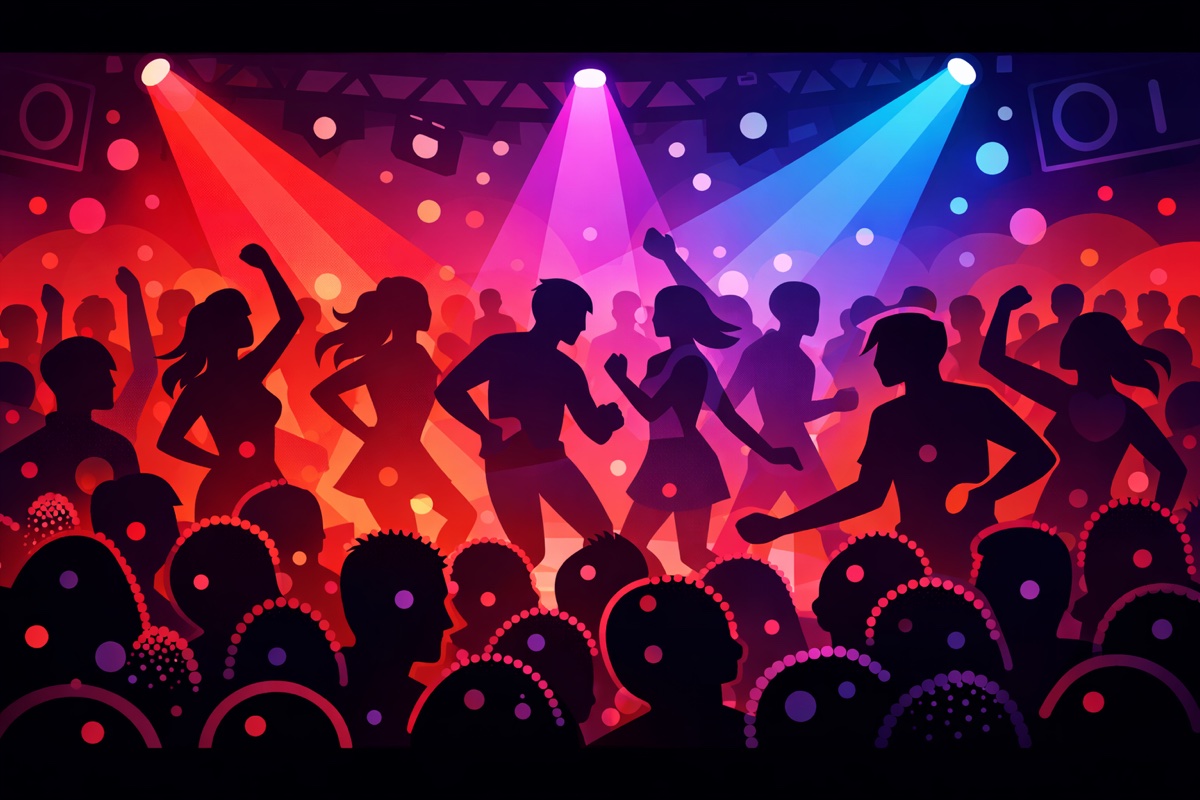
Club nights are the backbone of nightlife culture, the recurring weekly and monthly events that define a city's after-dark identity. Unlike one-off concerts or festivals, club nights build communities. Regulars return week after week because they trust the curator, know the sound, and feel at home in the room. In 2026, the club night format is thriving in cities across North America and beyond, with venues investing in better sound systems, smarter lighting rigs, and lineups that balance established names with rising talent.
Three venues currently set the standard for club nights in the United States. Marquee in New York City, located in Chelsea on 10th Avenue, has been a Manhattan nightlife anchor for over a decade. Its multi-level layout features a main room with a massive LED installation, a library lounge for conversation, and a boom box room that plays hip-hop and R&B when the main floor goes deep into house music. Marquee's weekly Friday programming consistently draws A-list DJs and a crowd that dresses to impress.
On the West Coast, Sound Nightclub in Hollywood stands apart from the typical LA bottle-service scene. Sound is built around audiophile principles, with a custom Void Acoustics sound system that delivers pristine clarity at every volume level. The room is intentionally compact, holding around 500 people, which creates an intimate atmosphere even when top-tier talent is behind the decks. Their weekly Saturday event focuses on deep house and techno, attracting listeners who care more about the music than being seen.
In Washington, DC, Echostage has grown into one of the largest dedicated electronic music venues in North America. With a capacity exceeding 3,000, this warehouse-style space in the Northeast corridor of the city hosts everything from trance marathons to bass music takeovers. The production value rivals festival main stages, with CO2 cannons, laser arrays, and a sound system that fills every corner of the cavernous room. Echostage's club nights on weekends regularly feature headliners who would normally only play festival circuits.
Dress codes vary dramatically between venues. At Marquee NYC, smart-casual is the minimum, with most men opting for a button-down or fitted blazer and women leaning toward cocktail attire. Sneakers are generally accepted as long as they are clean and stylish. At Sound Nightclub, the vibe is more relaxed; all-black outfits are a safe bet, and the crowd skews creative over flashy. Echostage has the most relaxed dress code of the three, with festival-style attire perfectly acceptable given the venue's warehouse aesthetic.
Guest lists can save you significant money and wait time. Most clubs allow promoters to add names until a cutoff, usually around midnight. Reaching out to promoters via Instagram DM or signing up through the venue's website a day or two before the event is standard practice. Bottle service at US clubs typically starts around $500 for a basic package and can climb past $5,000 for premium tables on headliner nights. A table for six at Marquee on a Saturday usually runs $1,500 to $2,500 depending on the DJ and includes a reserved section, a dedicated server, and mixers.
Club nights are standing events, so your position in the room matters. At Marquee, the raised VIP platforms flanking the dance floor offer the best sightlines to the DJ booth while keeping you above the crowd. The mezzanine level is ideal for groups who want to dance but also have space to breathe. At Sound Nightclub, the room is small enough that every spot delivers excellent audio, but the left side of the dance floor near the booth tends to be where the most committed dancers congregate. At Echostage, the center of the floor about 30 feet back from the stage is the sweet spot for visuals and sound balance. Avoid the far rear corners, where the audio can feel muddy in such a large space.
For Marquee in NYC, the closest subway station is 14th Street on the A/C/E lines or the L train at 8th Avenue. From either station, it is a short walk west to 10th Avenue. Taxis and rideshares are plentiful in Chelsea, but expect surge pricing after 2:00 AM. Driving is not recommended, as parking in Chelsea on a Friday or Saturday night is extremely limited and expensive. For Sound Nightclub in LA, rideshare is the move. Hollywood Boulevard on a weekend night means heavy traffic and virtually no available street parking. If you must drive, there are paid lots on Cahuenga Boulevard and Ivar Avenue, but budget $25 to $40 for the night. For Echostage in DC, the venue has its own parking lot with limited free spots that fill up fast. The NoMa-Gallaudet Metro station on the Red Line is the closest rail option, about a 15-minute walk or short rideshare from there.
A club night is a recurring event, often weekly or monthly, with a consistent brand, resident DJs, and a loyal following. One-off events are standalone shows built around a specific headliner or occasion. Club nights tend to have lower ticket prices and a more community-driven atmosphere.
Guest lists are managed by promoters affiliated with the venue. Getting on a guest list typically means free or reduced entry before a certain time, usually midnight. You can sign up through the venue's website, through a promoter's social media, or by contacting the club directly. Arriving after the cutoff time means you pay full cover.
For groups of four or more, bottle service often makes financial sense when you add up individual cover charges and drink prices. A table guarantees seating, faster service, and a home base for the night. For smaller groups or solo attendees, general admission with drinks purchased at the bar is more economical.
At most US venues, opening DJs play from 10:00 PM to midnight, with the headliner taking over between midnight and 1:00 AM. Peak sets usually run until 2:30 or 3:00 AM, though some venues with extended hours keep the music going until 4:00 AM or later.
Door sales are available at most clubs, but prices are almost always higher than advance purchase. For popular nights with big-name talent, door entry may not be guaranteed at all. Buying in advance through the venue or a verified resale platform locks in your price and ensures entry.