Pro Wrestling (WWE/AEW)
Enter the Arena of Titans
This site contains affiliate links. If you purchase tickets through these links, we may earn a commission at no additional cost to you.
Enter the Arena of Titans
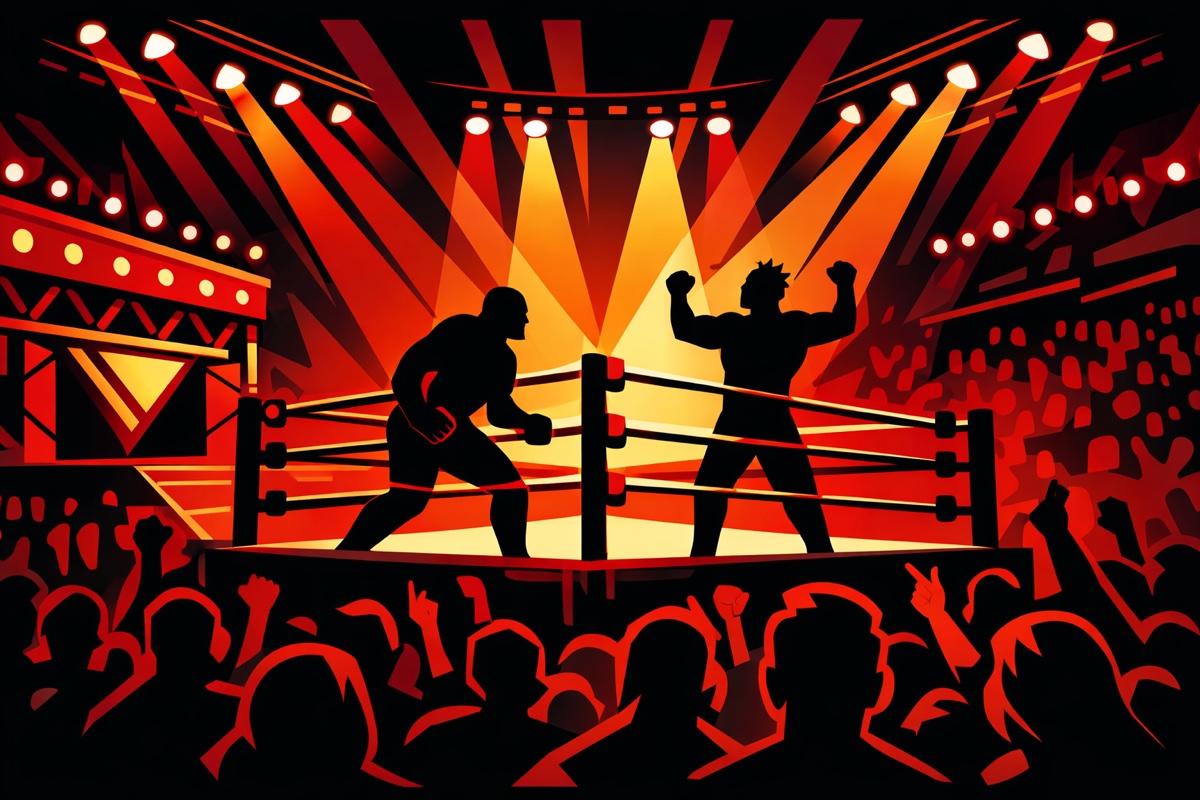
Professional wrestling in 2026 is riding a historic wave of mainstream popularity. WWE and AEW are both running packed arenas across North America, with storylines that blur the line between athletic competition and serialized drama. From WrestleMania's stadium spectacle to the rowdy intimacy of an AEW Dynamite taping, attending a live wrestling show is an experience that television simply cannot capture. The roar of 15,000 fans during a surprise return, the concussive boom of pyrotechnics during an entrance, and the thud of a body hitting the canvas six feet from your seat -- these are sensations you carry with you long after the final bell.
WWE is the global juggernaut, running roughly 300 live events per year across Raw, SmackDown, NXT, and premium live events (formerly pay-per-views). Their biggest shows -- WrestleMania, Royal Rumble, SummerSlam, and Survivor Series -- fill stadiums and arenas with 40,000 to 70,000 fans. Production values are cinematic, with elaborate stage sets, LED ring posts, and coordinated pyro sequences that rival any concert tour.
AEW takes a slightly different approach. Founded in 2019, All Elite Wrestling emphasizes in-ring athleticism, long-term storytelling, and a fan-first culture. Weekly Dynamite and Collision tapings draw passionate crowds of 5,000 to 12,000, while premium events like All In, Double or Nothing, and Revolution scale up to larger arenas and occasionally stadiums. AEW events tend to feel more intimate, with louder crowd participation and less scripted interaction between wrestlers and fans at ringside.
Crypto.com Arena in downtown Los Angeles is a regular stop for WWE television tapings and premium live events. The arena seats roughly 18,000 for wrestling configurations and delivers excellent sightlines from nearly every section. Parking structures surround L.A. Live, but rates spike to $30-$50 on event nights. The smarter play is taking the LA Metro -- the Pico station on the E and A Lines is a five-minute walk from the arena entrance, saving you both money and the headache of post-show traffic on Figueroa Street.
Allstate Arena in Rosemont, Illinois, just outside Chicago, has hosted some of wrestling's most legendary moments. With a capacity around 18,500, it provides a loud, enclosed atmosphere that amplifies crowd noise. Surrounding parking lots charge $25 to $30, and they fill up quickly for major shows. The Rosemont CTA Blue Line station is nearby, and several hotels within walking distance make it convenient for out-of-town fans attending back-to-back tapings.
Daily's Place in Jacksonville, Florida, has become the spiritual home of AEW. This 5,500-seat amphitheater adjacent to TIAA Bank Field delivers an outdoor-arena vibe that feels electric even on a Wednesday night. Parking in the surrounding lots near downtown Jacksonville is often free for AEW events, which is a rarity in professional wrestling. The compact venue means there is genuinely not a bad seat in the house.
MetLife Stadium in East Rutherford, New Jersey, is the WrestleMania venue that every fan dreams of attending. With a capacity exceeding 80,000 for wrestling, it transforms into the grandest stage in sports entertainment. Parking opens hours before the show ($40-$60 per vehicle), and NJ Transit runs special event trains to the Meadowlands station. Many fans take the bus or train from Manhattan rather than deal with the New Jersey Turnpike traffic after a five-hour show.
Your seat choice at a wrestling event shapes the entire experience. Ringside and floor seats put you close enough to hear the wrestlers communicate and feel the impact of every slam. You also have a real chance of appearing on television or catching a high-five from a performer working the crowd. Floor seats at WrestleMania or AEW All In can run $500 to $2,000 depending on proximity to the ring.
If you want to see the action exactly as it appears on TV, sit on the hard camera side. This is the side of the arena facing the main broadcast camera, typically opposite the entrance ramp. Wrestlers direct their biggest moments toward this camera, so sitting on that side means you see every dramatic pose and pin attempt head-on. Sections on the hard camera side often sell out first, so check StubHub early if this is your preference.
Elevated bowl sections should not be overlooked. From higher up, you get a panoramic view of the entrance staging, the full scope of pyrotechnics, and the spectacle of tens of thousands of fans reacting in unison. At stadium shows like WrestleMania, upper-deck seats in the 200-level can actually deliver a more complete visual experience than floor seats, where your line of sight can be blocked by standing fans and camera crews.
Weekly television tapings (Raw, SmackDown, Dynamite, Collision) offer the most affordable entry point, with tickets starting around $30 to $60 for upper-level seats and $100 to $250 for lower bowl. Premium live events range from $50 for nosebleeds to $500-plus for ringside. WrestleMania is the outlier -- general admission starts around $100 and premium packages can exceed $3,000.
Prices on StubHub tend to drop slightly in the 48 hours before a weekly television taping as sellers look to offload inventory. For premium events, the opposite is true: prices climb as the show date approaches, especially for floor seats. Buying two to four weeks out tends to hit the sweet spot between selection and value.
Crypto.com Arena: take the LA Metro to Pico station. Allstate Arena: surrounding lots run $25-$30, or ride the CTA Blue Line. Daily's Place: free parking in nearby downtown Jacksonville lots. MetLife Stadium: NJ Transit event trains or bus from Manhattan; parking is $40-$60. Across all venues, leaving 15 minutes before the main event ends can cut your exit time in half -- but true fans know you never leave early because wrestling finales are where the biggest moments happen.
Whether you are a lifelong WWE loyalist, an AEW die-hard, or someone attending your very first show, live wrestling in 2026 delivers an unmatched combination of spectacle, storytelling, and crowd energy. Secure your seats through StubHub, pick the right section for the experience you want, and get ready for a night you will not forget.
Weekly television tapings (Raw, SmackDown, Dynamite) usually run about 2.5 to 3 hours including pre-show dark matches. Premium live events like WrestleMania or AEW All In can last 4 to 5 hours, so plan for a long evening and eat beforehand.
WWE is the larger, more established promotion with a cinematic production style and a roster of global superstars. AEW launched in 2019 with a focus on athletic in-ring work, longer storyline arcs, and a more grassroots fan culture. Both deliver excellent live experiences, but the vibe differs -- WWE feels like a blockbuster movie, while AEW feels like a passionate indie show that scaled up.
Yes, signs are a beloved part of wrestling culture. Most venues allow signs on poster board as long as they are not offensive, do not block other fans' views, and do not contain commercial advertising. Avoid signs on sticks or poles, as those are typically prohibited.
Sit on the hard camera side in the first few rows of the lower bowl or floor section. Wear bright or distinctive clothing, hold up a creative sign, and react visibly to the action. Camera operators frequently pan to enthusiastic fans during big moments.
WWE occasionally offers VIP packages that include meet-and-greets with select performers. AEW runs fan fest events before major shows where you can meet wrestlers, get autographs, and take photos. These are ticketed separately and sell out quickly, so watch StubHub and official channels as soon as they are announced.