UFC Fights
Experience the Thrill of the Octagon
This site contains affiliate links. If you purchase tickets through these links, we may earn a commission at no additional cost to you.
Experience the Thrill of the Octagon
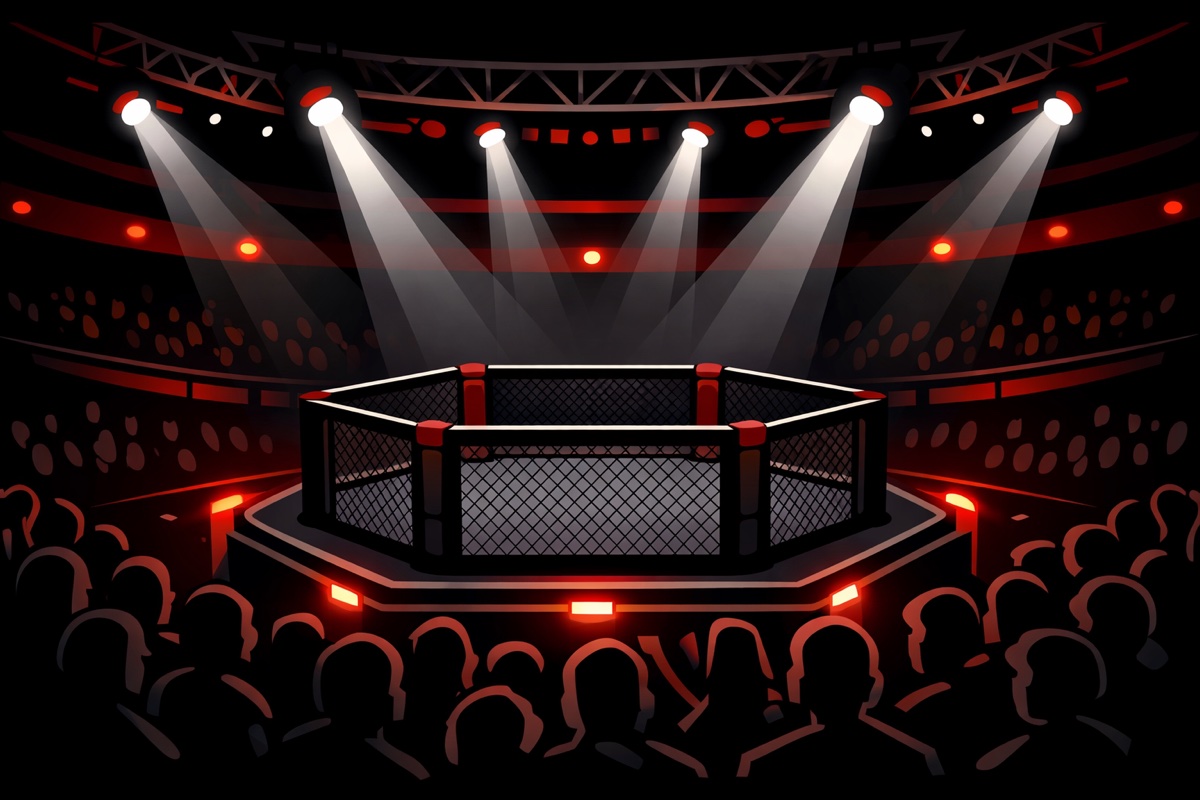
UFC events carry an intensity that separates them from every other live sporting experience. The octagon sits in the center of the arena, spotlights carving through darkness, and when a fighter's walkout music hits, the vibration runs through the floor and into your chest. You feel the impact of strikes in a way that microphones cannot capture. The crowd reacts to submission attempts with collective gasps and roars that build on each other until a finish sends the entire building into chaos. The 2026 calendar features title fights across multiple weight classes, international cards bringing the UFC to new audiences, and a slate of contender matchups that could produce the next wave of champions. Whether you follow every card or just tune in for the biggest names, attending one event live will permanently change how you experience the sport.
T-Mobile Arena in Las Vegas is the UFC's flagship home. Located on the south end of the Strip between the Park MGM and New York-New York hotels, T-Mobile Arena holds approximately 20,000 fans for UFC events. The venue opened in 2016 and was practically built with combat sports in mind -- the bowl is steep, the acoustics amplify crowd noise, and the production value for numbered UFC events here is unmatched. Las Vegas hosts the majority of pay-per-view cards, including the annual International Fight Week events every July, which turn the entire city into a week-long celebration of MMA with fan expos, open workouts, and after-parties.
Etihad Arena on Yas Island in Abu Dhabi has become the UFC's premier international venue. The 18,000-seat arena gained fame during the "Fight Island" era when the UFC created a bubble on Yas Island to keep events running during the pandemic. Since then, Abu Dhabi has become a regular stop on the calendar, hosting multiple numbered events per year. The arena itself is modern and intimate, with excellent sightlines from virtually every seat. Yas Island offers a resort-like atmosphere surrounding fight week, with hotels, restaurants, theme parks, and beach access all within walking distance of the arena.
For UFC's expanding reach into the Asia-Pacific region, RAC Arena (formerly Perth Arena) in Perth, Australia, has hosted several major cards. The 15,500-seat venue delivers a compact, loud atmosphere that Australian MMA fans fill with unrelenting energy. Perth cards often feature Australian and New Zealand fighters on the undercard, which gives the crowd a hometown rooting interest that raises the decibel level even higher. The arena sits in the Perth City Link precinct, surrounded by restaurants and bars that fill with fight fans on event night.
The octagon cage presents a unique viewing challenge. Floor seats put you close to the action, but the chain-link fence and metal frame of the cage obstruct your view from certain angles. If a fighter is pressed against the cage on your side, you can see individual expressions and hear cornermen shouting instructions. But if the action moves to the far side, you are watching through two layers of fencing. Floor seats work best in the first two rows, where your eye line is closer to the gaps in the cage, or in corner sections where you have a diagonal view through the cage wall.
The real sweet spot for UFC events is the elevated lower bowl, sections 5 through 10 at T-Mobile Arena (or equivalent sections at other venues). From these seats, you are above the cage, looking down into the octagon at a natural angle. You can see the entire canvas, both corners, and the referee's positioning. Ground fighting, which can be hard to follow from floor level, becomes dramatically clear from an elevated vantage point -- you can see when a fighter has a submission locked in or when a guard pass is about to happen.
Even upper-level seats at UFC events are better than many fans expect. The UFC invests heavily in large high-definition screens positioned around the arena, and these screens show multiple camera angles, replays, and close-ups in real time. From the upper bowl, you split your attention between the live action in the octagon below and the detailed camera work on screens, giving you the best of both perspectives. The trade-off is distance, but the savings compared to lower bowl tickets can be significant -- upper-level seats at T-Mobile Arena for a numbered card typically start around $100 to $200, while lower bowl sections run $300 to $700.
At T-Mobile Arena in Las Vegas, parking is not something you need to worry about because you should not be driving. The arena is walkable from virtually every major Strip hotel. From MGM Grand, it is a five-minute walk through The Park retail district. From the Bellagio or Caesars Palace, it is about 15 to 20 minutes on foot along the Strip, or a quick rideshare. After the event, Uber and Lyft have designated pickup areas, but expect surge pricing and 20- to 30-minute waits as 20,000 fans all request rides simultaneously. Walking back to your hotel, if it is on the Strip, is almost always faster than waiting for a car.
At Etihad Arena in Abu Dhabi, Yas Island hotels typically provide complimentary shuttle service to the arena on event nights. If you are staying elsewhere in Abu Dhabi, taxis are affordable and plentiful -- a ride from downtown Abu Dhabi to Yas Island takes about 25 minutes and costs roughly 60-80 AED (around $16-22 USD). The arena is also accessible via Abu Dhabi's bus network, with Route 190 connecting the city center to Yas Island. Parking is available on Yas Island in large surface lots, and it is typically free for event ticket holders.
At RAC Arena in Perth, the easiest option is the train to Perth Underground station, which is a short walk from the arena through the City Link pedestrian bridge. Trains run frequently on event nights with extended service after the card ends. If you prefer to drive, there are several parking structures in the Perth City Link area, though they fill up fast on event nights and cost $15-25 AUD. The Horseshoe Bridge walkway connects the train station directly to the arena precinct, making the train the most convenient and stress-free option for most fans.
A standard UFC event features a preliminary card (typically four to five fights) followed by the main card (five fights including the headliner). Prelims usually begin around 6 PM local time, with the main card kicking off around 10 PM for pay-per-view events. The entire show runs approximately four to five hours, though individual fights can end in seconds or go the full distance, so the actual runtime varies. The main event walkout rarely happens before midnight on PPV nights, so plan your energy accordingly.
The atmosphere shifts dramatically as the night progresses. Prelim fights draw a quieter crowd that skews toward hardcore fans who appreciate technique and up-and-coming talent. By the time the main card starts, the arena is full, drinks are flowing, and the noise level jumps. Co-main events and main events produce the peak atmosphere -- standing ovations, dueling chants, and eruptions on knockouts that you can feel in your ribcage. If a fight ends early (a first-round knockout in a five-round main event), the card may finish ahead of schedule, so do not count on a specific end time.
Public weigh-ins, which usually take place the day before the event, are free to attend at most UFC locations and offer a chance to see fighters up close during the ceremonial face-offs. In Las Vegas, weigh-ins for major cards are held at T-Mobile Arena or nearby venues on the Strip and draw thousands of fans. It is a worthwhile addition to the trip if you are arriving a day early.
A full UFC event, from the first preliminary fight to the main event decision, typically runs four to five hours. Prelims start in the early evening and the main card begins around 10 PM local time for pay-per-view events. However, the runtime depends on whether fights end early by knockout or submission. A card full of finishes can wrap up sooner than expected, while a card that goes to decisions on every fight will run toward the longer end.
The remaining fights on the card still take place as scheduled. A quick knockout in the main event simply means the overall event ends earlier than expected. The UFC does not add replacement fights to fill time. If the main event finishes in the first round, you may be walking out of the arena well before midnight. This unpredictability is part of what makes live UFC special -- any fight can end in an instant.
Fighters are not generally accessible during the event itself, but the UFC offers several opportunities to meet them during fight week. Public weigh-ins and ceremonial face-offs are free to attend and draw fighters to the stage. During International Fight Week in Las Vegas (usually July), the UFC Fan Expo features autograph sessions, photo opportunities, and panels with current and former fighters. Some fighters also host meet-and-greet events at nearby venues during fight week, which are announced on their social media accounts.
UFC events are open to all ages. Children can attend with a parent or guardian, and they need their own ticket. That said, be aware that UFC events run late (main events often start around midnight), the atmosphere is loud and intense, and alcohol consumption among the crowd is heavy. Many families attend the earlier preliminary portion of the card and leave before the main card if they have young children. There is no specific minimum age enforced at the door.
Yes, the ceremonial weigh-ins that take place the day before the event are typically free and open to the public. These are separate from the official morning weigh-ins (which are closed to the public). Ceremonial weigh-ins feature fighters stepping on the scale, face-offs between opponents, and sometimes heated confrontations that generate their own viral moments. In Las Vegas, these are held at T-Mobile Arena or other Strip venues, and fans often start lining up hours in advance for front-row spots. Arriving early is the only way to guarantee a good viewing position since seating is first-come, first-served.